One Standard of Power for Every Critical Infrastructure Site
Numeric UPS solutions power 75% of airports across India and the largest cricket stadium in the world - built for infrastructure environments where the power architecture is as distributed and demanding as the operations it supports.
INFRASTRUCTURE POWER IS HELD TO A HIGHER STANDARD BECAUSE THE CONSEQUENCES ARE.
In public infrastructure, a power failure isn't a disruption, it's a headline. The standard for power behaviour here is set by what the public and regulators expect: continuous, predictable, and safe. Anything less isn't an operational shortfall - it's an accountability one.
Zero transfer time across safety-critical systems
Signalling, emergency lighting, access control, and communications stay live - no gap between grid and battery, ever.
Signalling, emergency lighting, access control, and communications stay live - no gap between grid and battery, ever.
Stable power despite what large-site loads generate
Voltage instability and harmonic distortion from heavy building and transport systems are absorbed before they reach control and safety infrastructure.
Voltage instability and harmonic distortion from heavy building and transport systems are absorbed before they reach control and safety infrastructure.
Serviceable without taking systems offline
Service paths stay separated from load paths, so planned maintenance runs with no interruption to live public-facing systems.
Service paths stay separated from load paths, so planned maintenance runs with no interruption to live public-facing systems.
Expands with the infrastructure it protects
Capacity is deployed in phases as terminals, lines, and facilities grow - without rearchitecting what's already in place.
Capacity is deployed in phases as terminals, lines, and facilities grow - without rearchitecting what's already in place.
Redundancy matched to the criticality of each zone
N to N+X configurations are mapped to system risk - safety and signalling carry the deepest redundancy, support systems configured accordingly.
N to N+X configurations are mapped to system risk - safety and signalling carry the deepest redundancy, support systems configured accordingly.
Real-time visibility across a distributed site
Continuous monitoring and remote diagnostics run across every UPS in the facility, so the operations team sees what's happening before it becomes an incident.
Continuous monitoring and remote diagnostics run across every UPS in the facility, so the operations team sees what's happening before it becomes an incident.
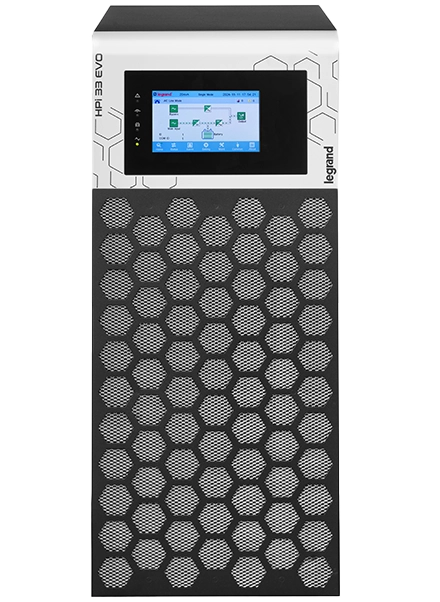
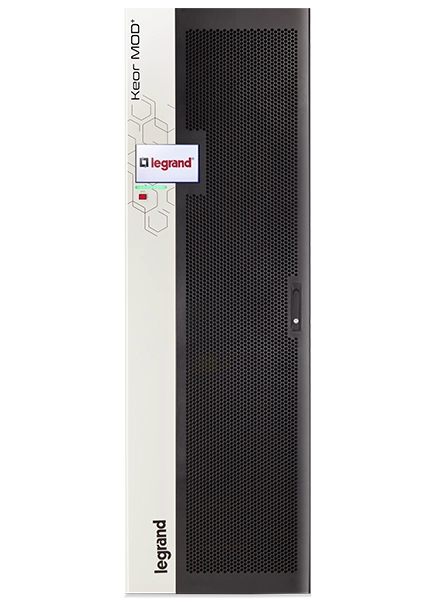
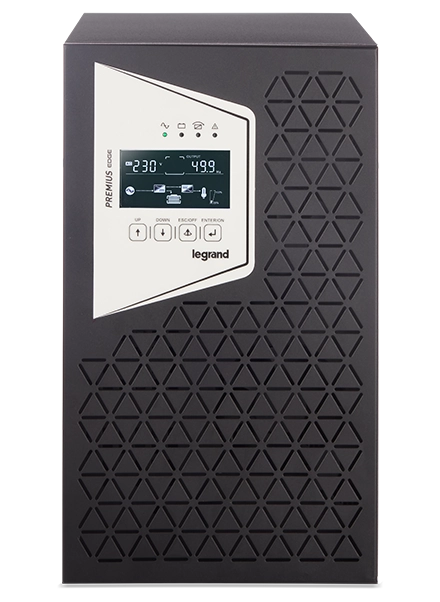
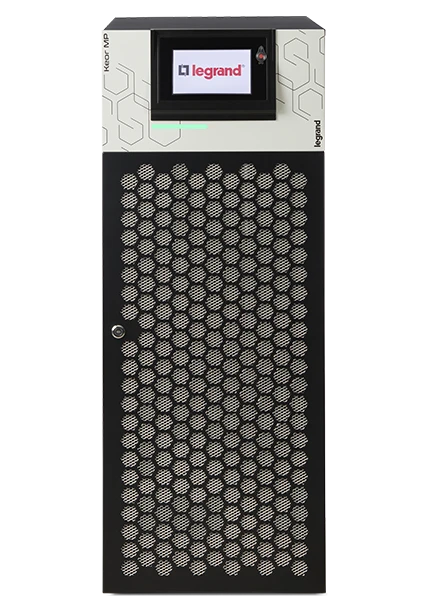
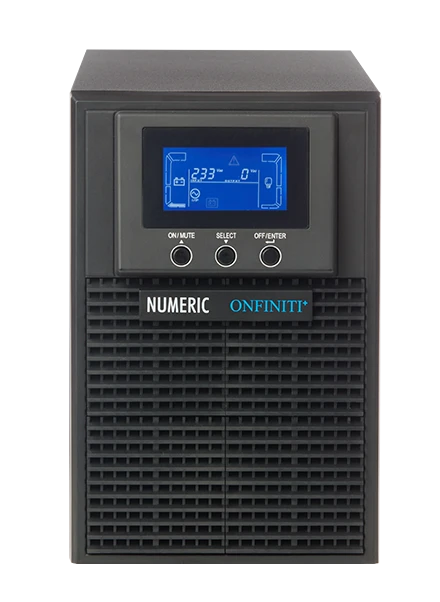
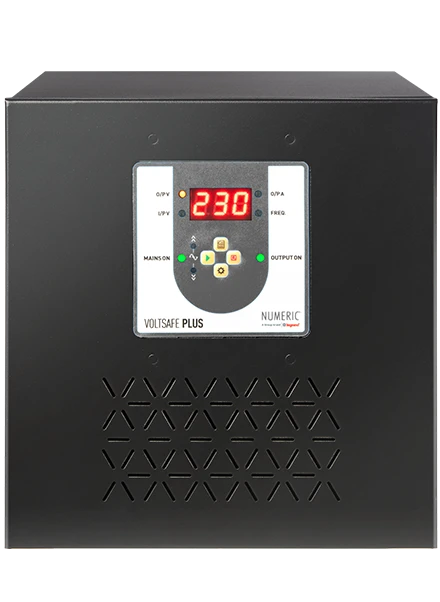
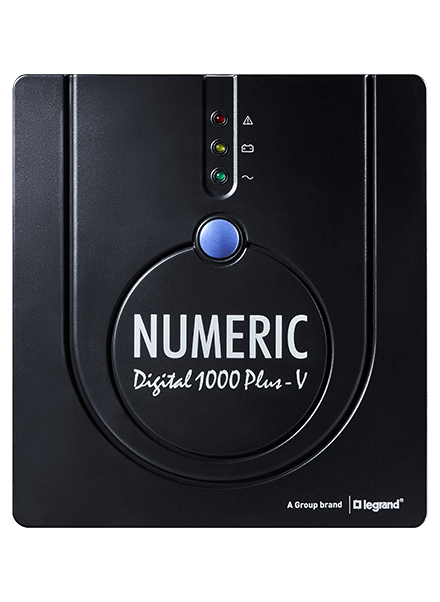
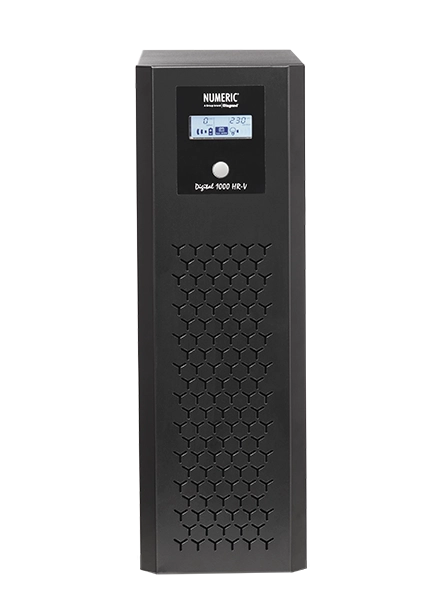
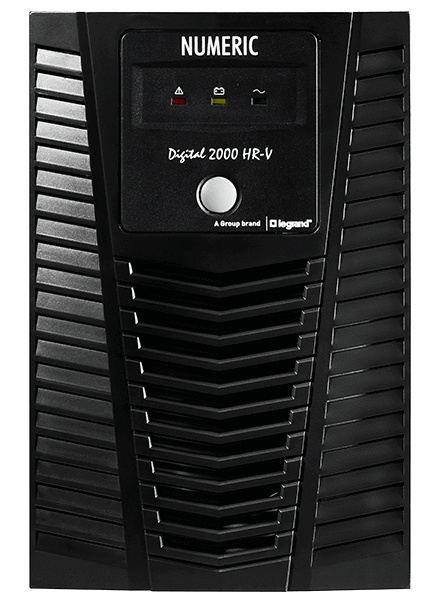
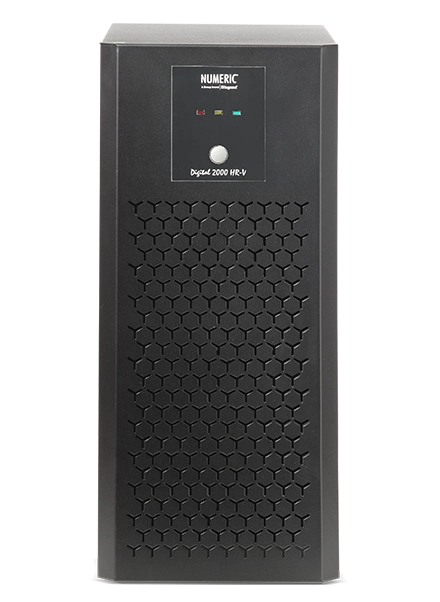
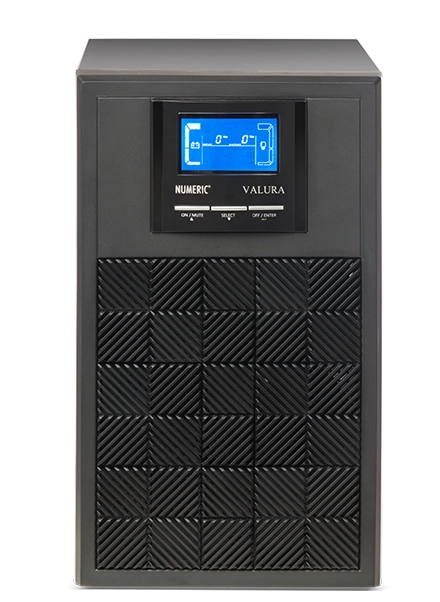
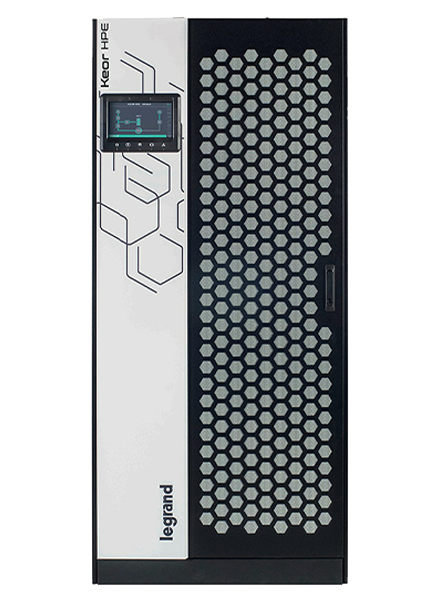
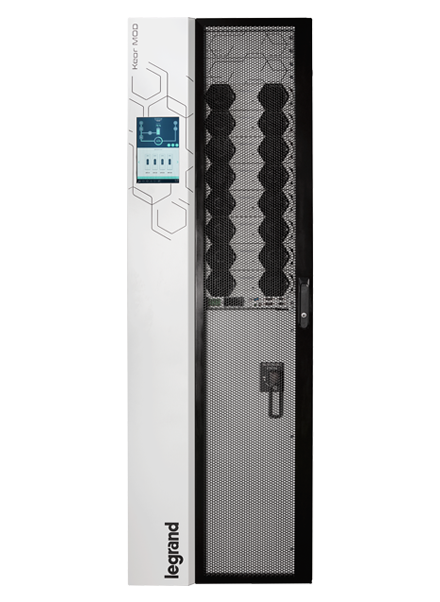
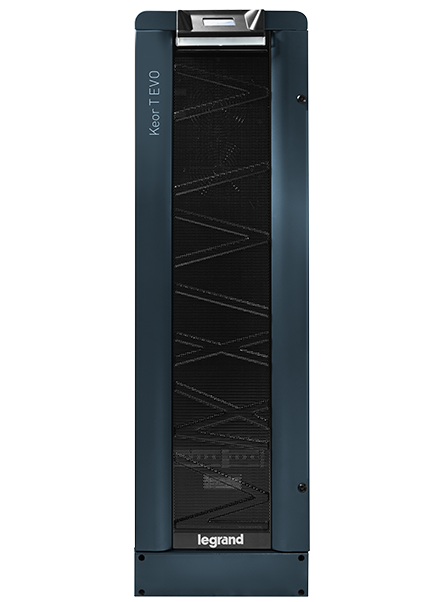
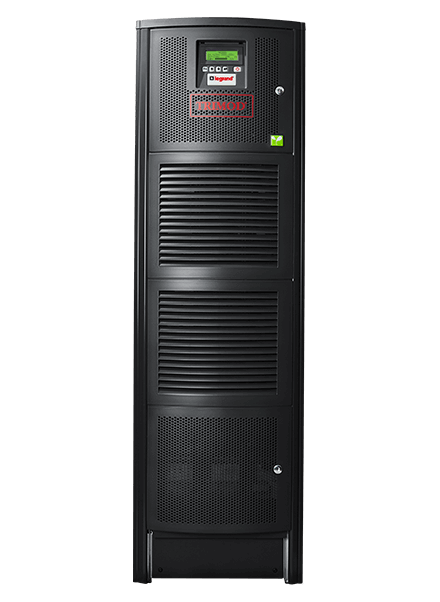
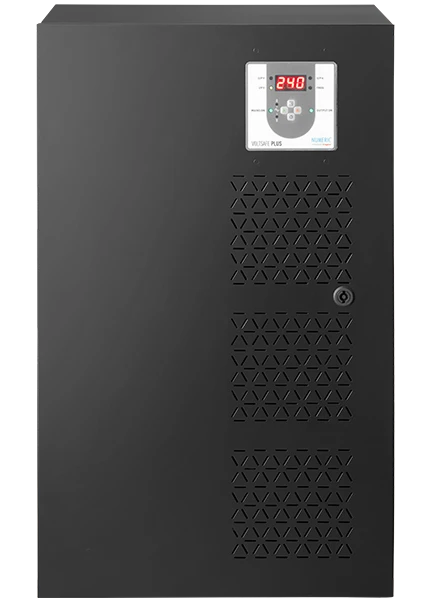
Infrastructure UPS Systems


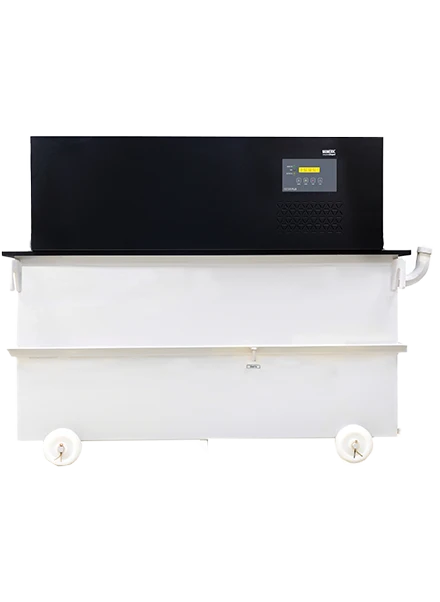
Service at a Glance
When power continuity is vital to your business, service can't be an afterthought. Numeric's service portfolio is built to ensure uninterrupted continuity throughout your system's entire lifecycle, from the initial installation to the final upgrade.
40+
years serving critical power needs
92%
issues addressed within 60 mins
2M+
UPS Installations
250+
direct service centers
>70%
airports
Related Resources




Infrastructure-grade power behaviour. Across every system, every site, every hour.
Numeric works with infrastructure operators, project consultants, and systems integrators to design UPS architectures for airports, metro networks, ports, and public facilities, built around consistent system behaviour, scalable redundancy, and serviceability that the environment's operating schedule demands.
Frequently Asked Questions
There's no gap between grid and battery - these systems stay live continuously, with no switching interval.
By system risk. N to N+X configurations give safety and signalling the deepest redundancy, with support systems configured accordingly - not one blanket spec across the site.
Yes. Service paths stay separated from load paths, so planned maintenance runs with no interruption to live systems.
Capacity is deployed in phases as terminals, lines, and facilities grow, without rearchitecting what's already in place and already protecting live systems.
250+ direct service centres, with continuous monitoring and remote diagnostics across every UPS on site - so issues are visible to the operations team before they become incidents.